
 Celiform
Moulded Pulp Inserts: A Guide for Premium Brands
A moulded pulp insert is the tray inside a box that holds your product in a cavity shaped exactly to it. This guide explains what the material is, which kind suits premium packaging, and how a custom insert is designed.
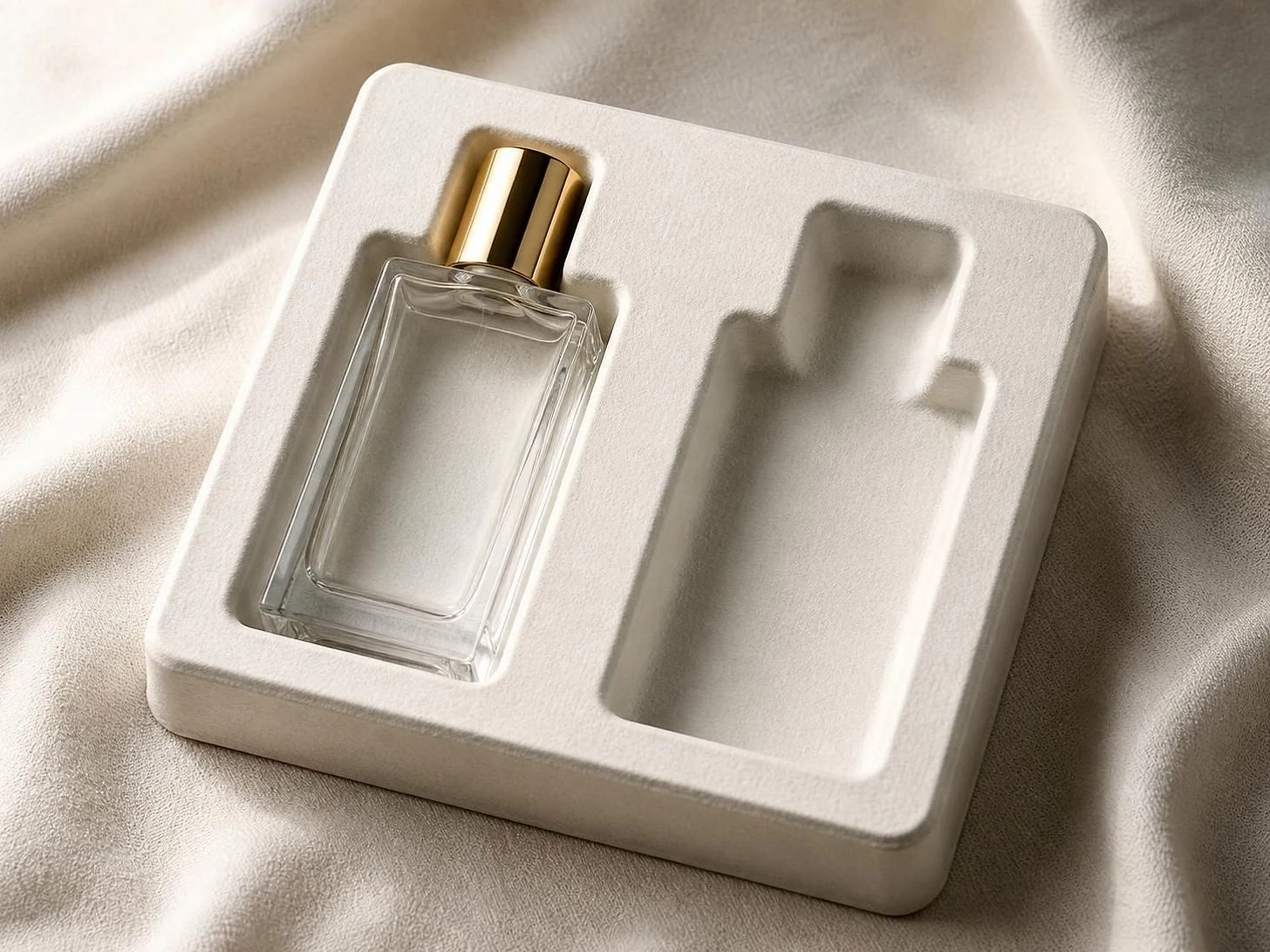
What a Moulded Pulp Insert Is
Moulded pulp is plant fibre mixed with water into a pulp, formed over a mould shaped like your product, then pressed and dried until it holds that shape. The result is a single piece of fibre with a cavity for each item: a bottle, a jar, a device, a set.
You will see it called by several names: moulded pulp, moulded fibre, pulp inserts, paper pulp trays, and in American spelling, molded pulp or molded fiber. They describe the same family of materials. What separates a premium insert from a basic one is how it is pressed, which is the next section.
Wet-Pressed and Dry-Pressed Pulp
There are two broad ways to make a moulded pulp part, and they look and feel very different.
Wet-Pressed Pulp
The formed pulp is pressed and dried between heated tools while it is still wet. The fibres pack tightly, so the part comes out dense, rigid and smooth on the face that touched the polished tool, with crisp edges and fine detail. This is the kind of tray you find inside a premium phone box, and it is the kind used for luxury packaging. It is sometimes called thermoformed fibre.
Dry-Pressed Pulp
The formed pulp is dried without being pressed between heated tools. It is quicker and cheaper to make, but the surface stays rough and fibrous, the walls are thicker and the detail is softer. It suits protective and industrial trays well; it rarely suits a product that is meant to look premium.
Celiform inserts are wet-pressed. Each one is made in one of two finishes: single-side smooth, smooth on the face your customer sees, with a fine mesh texture on the hidden underside, or double-side smooth, smooth on both faces, for parts that are lifted out or seen from both sides. The Inserts page shows both.
Moulded Pulp Versus Foam, EVA, Plastic and Card
Most premium boxes still use one of these five materials inside. Here is how they differ where it matters for an unboxing.
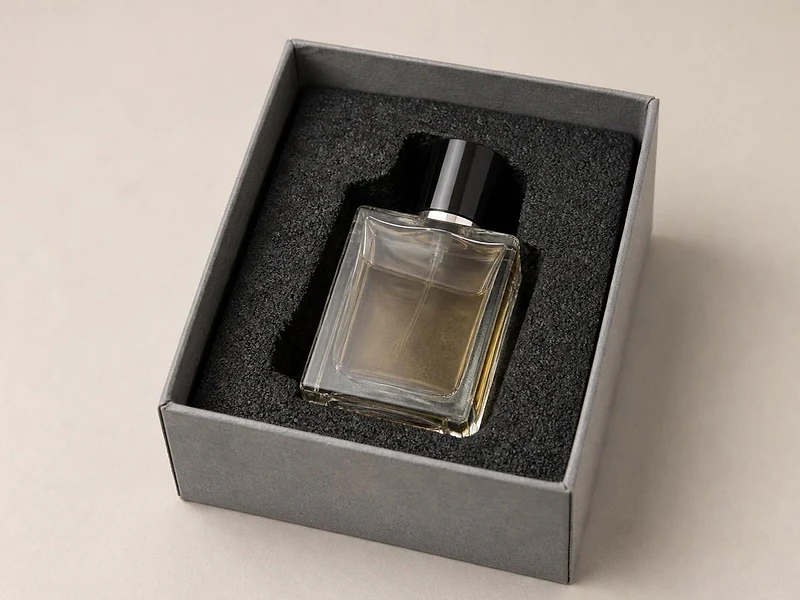
Cut foam: soft, and the product can move.
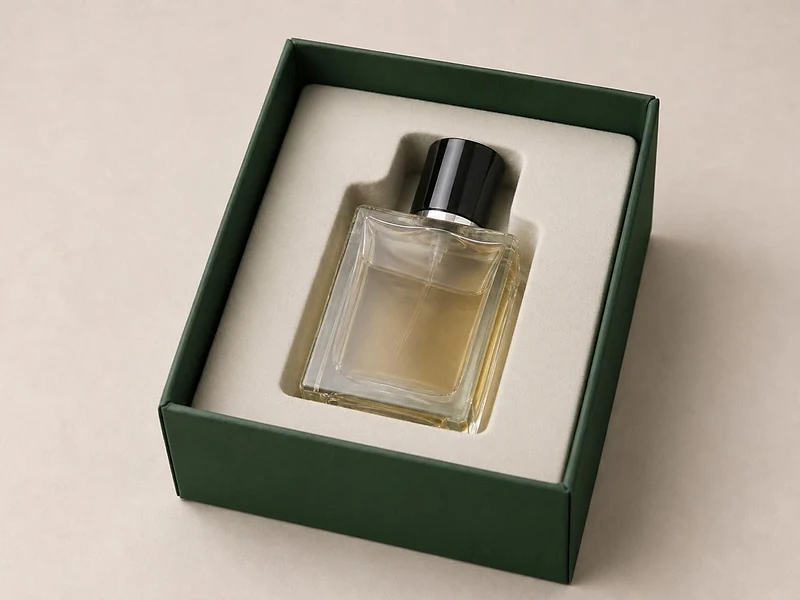
Wet-pressed fibre: shaped to the product.
- Foam and EVA are cut or moulded plastic foams. They are soft, which cushions well, but the product can move in a cut shape, the cut edges can look budget, and they are plastic.
- Vacuum-formed plastic trays are thin plastic sheet formed over a mould. They hold a shape well and are inexpensive, but they look glossy and utilitarian, and they are plastic.
- Card or paperboard inserts are folded and slotted board. They are plastic-free and print well, but they are built from flat panels, so they hold simple shapes rather than a cavity around a curved bottle or device.
- Dry-pressed pulp is plastic-free and three-dimensional, but rough on the surface and softer in detail.
- Wet-pressed moulded pulp is plastic-free, three-dimensional and made to the exact shape of the product, with a smooth, dense face. It holds its shape without being soft.
The comparison table on the Inserts page sets these side by side.
What Moulded Pulp Is Good For
Because the cavity follows the product, moulded pulp is at its best with things that should not move: perfume and glass bottles held at the shoulder, jars that must stay upright, droppers held at the neck, earbuds and wearables with their cables, watches and jewellery, and gift sets where several items each need their own place. Its density also helps with heavy or fragile items such as glass and devices, because a precise fit stops movement and the material absorbs transit stress rather than passing it on.
See how this applies category by category on the Industries page.
Where Moulded Pulp Is the Wrong Choice
Moulded pulp is a structural and presentation material, not a barrier. It should not touch liquids, food or wet product directly, and it does not replace your primary container. For food, drink and health products, the insert holds the product in its own primary pack: the bottle, jar, tin or blister. A good supplier will tell you this before any tooling is made, not after.
Colour, Logos and Surface
- Colour: natural, white, black, or dyed to a target shade, so the insert can match the box or the brand.
- Logos and text: embossed into the tool, so they are part of the fibre itself, with no ink.
- Surface: single-side or double-side smooth, chosen by whether anyone will see the underside.
- Material: one material all the way through, with no foam, lamination or coating.
How a Custom Insert Is Designed
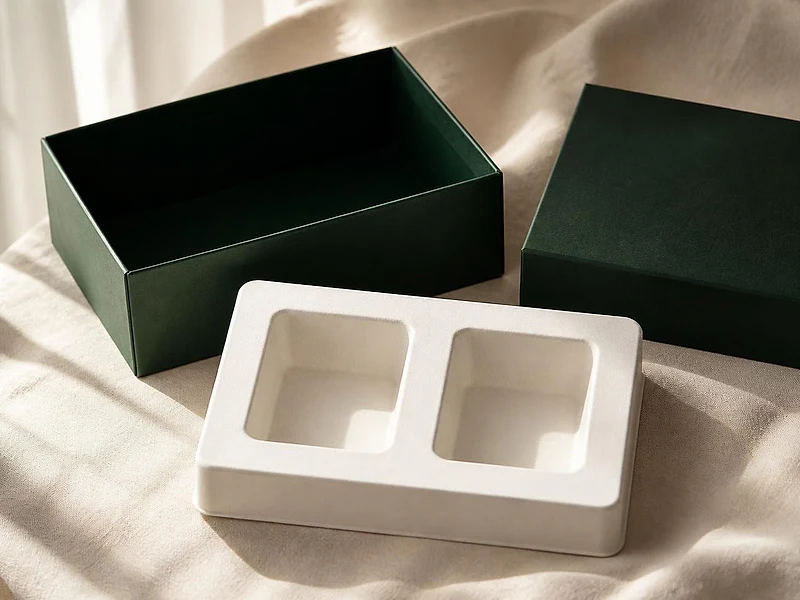
- The product comes first. Dimensions, a .STEP or .IGES file, or the product itself. A 3D file speeds things up but is not required.
- A dimensioned drawing. The cavity is designed around the product and sent for approval. At Celiform this takes about two to five days, and nothing is made until you approve it.
- A physical sample. A sample made to your product lets you test the fit, the finish and the feel, typically within 10 to 20 days of first contact.
- Production. Full production follows, typically 25 to 55 days after approval depending on volume and complexity, with every batch checked against the approved sample.
The Process page covers each step and the common questions.
Questions to Answer Before You Order
- Exactly what goes in the box, including any leaflets, cables or accessories?
- Will anyone see the underside of the insert, or lift it out? That decides single-side or double-side smooth.
- What is the primary pack, and does anything need to stay away from the fibre?
- Is the outer box already fixed, or can it be designed around the insert?
- What colour should the insert be, and should it carry an embossed logo?
- When is the launch or shipment date? It decides how the work is planned.
Have those answers? The Celiform catalogue (PDF) shows the options in one place.